

WHAT WE DO.
We help companies create a positive buzz that converts interactions to sales and improves their marketing while enabling them to self-manage tasks to their comfort level independently and efficiently.
We develop websites, integrated, client-empowering interactive media, SEO, copywriting, collateral, and more. Most of our clients update their websites and newsletters themselves with the easy-to-use content management tools we set up, saving money and directly engaging their customers. When they need our help, our clients value that we’re lightning-fast at handling their updates.
We have over 30 years of experience working with Fortune 100 companies and startups, managing marketing strategy, design and development, implementation, and process improvement. We’ve walked into companies with slow or hobbled marketing processes and blurry brands and have earned recognition for change management, brand revitalization, and positive results.
WHAT HAVE WE BEEN UP TO?
We’re helping companies rev up their marketing while empowering them with integrated, cost-effective, easy-to-use marketing tools daily.

WordPress Website Developed for BioMat Inc
When BioMat Inc. needed a refresh for their website, Marketing Eco developed a WordPress website with a customized version of the well-supported Avada WordPress theme. About Biomat Inc: BioMat – a healing tool for health challenges and preventative care. The BioMat utilizes a synergistic triad of: Far Infrared Heat Amethyst Crystals Negative Ions The BioMat offers natural, whole body support whether for home use or your professional practice. You may experience: Restful sleep (for those with occasional [...]
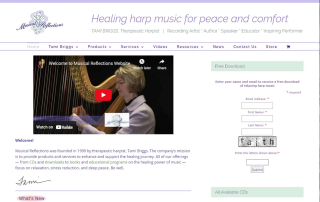
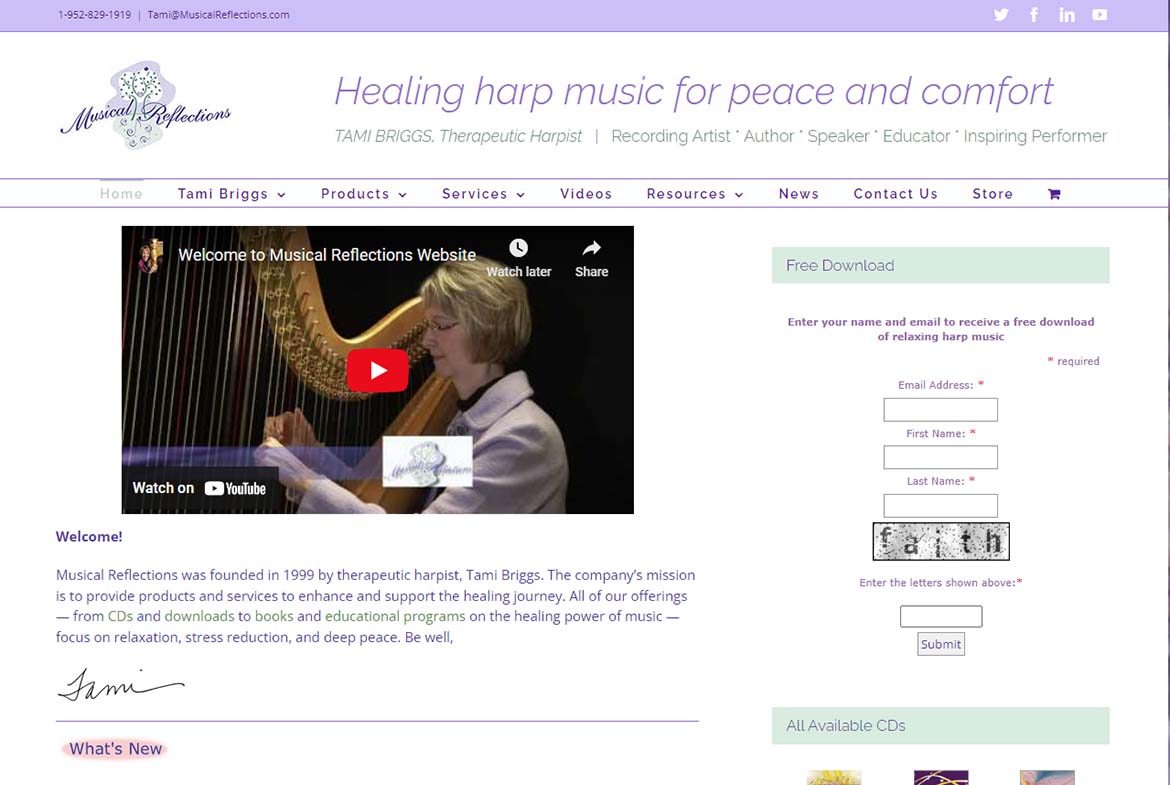
eCommerce WordPress Website Refresh Created for Musical Reflections
When Musical Reflections' eCommerce vendor closed, Marketing Eco developed the Musical Reflections' website refresh as an integrated WordPress and WooCommerce enabled website. About Musical Reflections: "Musical Reflections was founded in 1999 by therapeutic harpist, Tami Briggs. The company’s mission is to provide products and services to enhance and support the healing journey. All of our offerings — from CDs and downloads to books and educational programs on the healing power of music — focus on relaxation, stress [...]
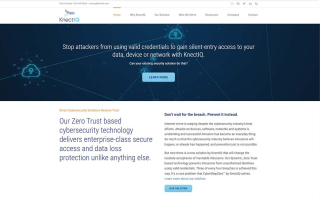
New Marketing Website for Cybersecurity Experts
Marketing Eco developed a new marketing website for cybersecurity experts and handed off the website management to their marketing department.

Marketing Eco revs up American P. I. with a refreshed brand, mobile responsive WordPress website, by extended integration of social media, eCommerce, podcast / videocast feeds, email marketing… and the list rocks on.
Marketing Eco revs up American P. I. with a refreshed brand, mobile responsive WordPress website, by extended their integration of social media, eCommerce, podcast / videocast feeds, email marketing, and the list rocks on.

All-Pro Wisdom book launch website offers easy content management and flexibility.
All-Pro Wisdom Wordpress Website by Marketing Eco Optimizes SEO and Integrates Social Media and Contact Management for the Book Launch The All-Pro Wisdom website was designed and developed by Marketing Eco for the "All-Pro Wisdom: The 7 Choices That Lead to Greatness" book launch. Wordpress seamlessly integrates social media and contact management while offering ideal search engine optimization rich tools. Visitors signing up for the email list are automatically opted in to Mail Chimp.

WordPress website for Logical HVAC boosts visitor traffic and interaction.
Logical Heating and Air Conditioning's New Wordpress Website Increases Visitor Traffic The Wordpress website was design, developed, and launched in October 2013 by Marketing Eco to replace an older website that was only pulling in a few visitors per week and left a broad range of opportunities to improve search engine optimization. The new website has significantly increased visitor traffic and visitor searches for hvac products find Logical Heating and Air Conditioning showing in the [...]

Speaker’s WordPress Website Designed and Developed by Marketing Eco Offers Media Rich Online Promotion of Engaging and Vetted Speaker
Speaker Wordpress Website Offers Media Rich Online Promotion of Engaging and Vetted Speaker The Wordpress website Marketing Eco developed for online promotion of an engaging and vetted speaker enables eye catching communication of speaking experience in a media rich website. The easy-to-use, password protected Wordpress content management portal enables edits 24/7 from any Internet connection without any knowledge of website coding or software.

Heartland WordPress website refreshes branding and enables in-house edits 24/7.
Heartland Companies Wordpress Website Refreshes Branding and Enables In-House Edits 24/7 Via Any Internet Browser Marketing Eco refreshed Heartland Companies' logos and designed, developed, and launched a new Wordpress website. The Wordpress website enables designated Heartland employees to make updates to the content and images 24/7 via any Internet browser. Since adding and updating content via the Wordpress management portal does not require website coding knowledge, the opportunity to spread the workload for updating content [...]

Joy Robichaud Interior Design Portfolio WordPress Website Designed and Developed by Marketing Eco Enables Portfolio Updates 24/7 Via the Internet
Joy Robichaud interior design portfolio Wordpress website The Wordpress website Marketing Eco designed, developed, and launched for Joy Robichaud's interior design firm enables Joy and her employees to update the portfolio 24/7 via the Internet. The password protected, easy-to-use content management portal does not require any website development knowledge or software.

From 2010-2018, Marketing Eco Enjoyed Handling The Legal Investigator Magazine’s Design, Desktop Publishing, and Intro Blurb Copywriting
From September 2010-2018, Marketing Eco enjoyed managing the The Legal Investigator (TLI) magazine's design, desktop publishing, and copywriting intro blurbs for the National Association of Legal Investigators (NALI). Marketing Eco handled rebranding the publication for the launch of its new look in the Fall of 2010 and continued to create bold andcreative graphics for articles and magazine cover through 2018. Editors and authors of TLI are legal investigators and members of the NALI. The Legal Investigator is an official publication [...]

Integrated Website and Back End Trading Interface Launched for Asset Management Firm, Geneva Fund Partners
In January of 2010 Marketing Eco launched a website for start up, Geneva Fund Partners, as a solution for their trading portal. At launch, the website integrated a back end algorithmic trading interface provided by a partner company within the website’s architecture, simplifying the user experience, and allowing Geneva Fund Partners to offer their clients other tips and offers. By using WordPress architecture for the website, owner Marshall Gause is able to update the content 24/7 from [...]

Scanlon Leadership Network Website and SharePoint Intranet Launches for Improved Communication and Collaboration
The Scanlon Leadership Network needed to consolidate websites and create an easy-to-manage public website along with member, consultancy, foundation, and board Intranet areas controlled by unique permissions to improve collaboration, communication, and access to Scanlon materials. Marketing Eco consolidated domain management and websites, created a single point of entry based on WordPress website archictecture, and fleshed out the SharePoint Intranet architecture and permissions on the SharePoint site launched by Bob Bruce of Trista Technology. Members, Consultants, the [...]

Marketing Eco Creates a Blog Style Website and Integrated DebateGraph.org Mind Map for Doc Hall’s Compression Thinking
Marketing Eco developed a sticky post-enabled, blog style website for Robert W. “Doc” Hall, Professor Emeritus, Operations Management, Indiana University, and author of “Compression – Meeting the Challenges of Sustainability Through Vigorous Learning Enterprises.” The website empowers Doc to self-publish articles about Compression, create topics for online discussion, and contains an embedded DebateGraph.org mind map that Doc designed and DebateGraph.org founder David Price helped to get started on www.DebateGraph.org. The new website’s sticky post capability organizes content [...]

Marketing Eco Creates ISS Logo and Website to Help Bob Browning Renovate Companies Through Gainshare
Bob Browning launched ISS Consulting to address the growing need to simultaneously renovate company processes and culture to boost the bottom line and gain market share. He needed both a memorable company brand and a flexible website format to show how his process works and explain the ISS Consulting difference. Marketing Eco developed a strong logo for Bob’s new company that embodies his vision for his company utilizing the best of breed brand identity guidelines. The website [...]

Recommendation for Marketing Eco from Bob Browning, President, ISS
See Kari Havir's LinkedIn profile > "Ms. Havir and I have worked closely over the last four months in the design of my startup's, ISS Consulting, web page. Her professional approach and keen marketing insight have proven invaluable. I am continually impressed with her logic and her patient leadership. Her ability to take complex issues and configure them in an easy to understand format or mental picture clearly sets her apart from many "technical" people that I [...]

Marketing Eco Launches Women as Healers Website to Take Tami Briggs’ New Book on an Exciting Social Media Journey
We’re extremely thrilled to announce the launch of Tami Briggs’ new book, Women as Healers: Voices of Vibrancy, and the website Marketing Eco created for Tami to help take the book on an exciting social media journey. Tami found the fittingly vibrant photo that graces the cover of the book and companion CD and Marketing Eco designed the website header and companion graphics to compliment the book’s design and further communicate Tami’s vision. The easy-to-use WordPress website content [...]

The American P. I. Website Launches With Podcasts and Streaming Video on iTunes, Blubrry, YouTube, and More
The American P. I. website has launched and is fully integrated so that media casts automatically feed to iTunes, Blubrry, YouTube and many other podcast and videocast websites in one click of the mouse button. Here’s a peek at The American P. I. look and feel: We designed the logo, website, and one page speaking sheet for Paul in a vibrant range of oranges and blues. The American P. I. purpose: With The American P. I. website, [...]

Inner Earth Energy’s Geothermal Heating and Cooling Services Website Launches on 100% Solar-Powered Server
IEE’s mission statement is "Modeling Economic Growth Through Environmental Sustainability" and it shows. Everyone in the company is continually "breaking new ground" in this effort in everything from their product and service offerings, business practices, to the business relationships they develop and nurture. Their environmental mission doesn’t stop when the work day ends. Not surprisingly, IEE CEO Dave Sheild has installed a geothermal system to heat and cool his home. He paired the system with prairie restoration-oak savanna grasses [...]

La Grolla Blog-Style Website and Paperless Back End Content Development and Collaboration Tool Set Launched
The sparkling La Grolla website we developed has a fresh, warm, blog style that enables the restaurant to feed online visitors bits and bytes about new specials and travel advisories as easily as the restaurant lavishes its restaurant visitors with delicious cuisine. What is so different about the new website compared to the old website? We’re glad you asked! The new website gives La Grolla the ability to update their website from any computer with Internet access 24/7 through [...]



Recommendation for Kari Havir from Todd Aldrich, VP Marketing, BioMedix
“Kari was a valued contributor at BioMedix. She is a consummate team player with excellent organizational and technical skills. A particular area of expertise is interactive marketing. In addition to knowing how to design a website, she can actually create one if needed. She was very effective in managing vendor relationships and in ensuring that work was completed timely and on a quality basis. If you hire Kari, you get a dependable, diligent and resourceful professional. I [...]
Recommendation for Kari Havir from Matthew Homann, Chief Thinking Officer, LexThink
“I had the extreme pleasure of working with Kari while she was at FindLaw. In an industry filled with technophobic folks where "marketing" is a necessary evil, Kari not only understood the power of social media (blogs, wikis, etc.) but also embraced their use in both conventional and unconventional ways. I'd enjoyed working with her, and would welcome the opportunity to do so again.” August 3, 2007 Matthew Homann, Chief Thinking Officer, LexThink, Inc.
Recommendation for Kari Havir from Vanessa Bright, Marketer, Thomson FindLaw
“Kari is a wonderful co-worker. She is very knowledgeable, always willing to help, and enthusiastic about her job. Also, Kari is that rare person who is willing to consider different points of view while analyzing a business problem.” August 1, 2007 Vanessa Bright, Marketer, Thomson FindLaw
Recommendation for Kari Havir from Kathleen Duarte, Content Manager, Intel
“I enjoyed working with Kari Havir at Intel Corporation and found her to be conscientious, hard-working, and dedicated to developing high-quality content that was consistently delivered on time. She also exhibited a pleasant and cooperative work style and regularly contributed insightful solutions to workflow issues.” July 30, 2007 Kathleen Duarte, PMP, Content Manager, Intel Corporation
Recommendation for Kari Havir from Stephen Doyle, Executive VP, Walter Group
"I have known Kari since 2004, as a professional person delivering computer services, as a work colleague in a start-up company, and as a family friend. Kari is an endearing person, an accomplished market analyst, a creative computer artist, an intellectual and inquisitive person. I am a Duke University trained lawyer, with 15 years of government civil service working in Washington, DC; 15 years as an officer in an aerospace corporation in California; and 16 years managing [...]
Recommendation for Kari Havir from Brian Brooks, Director, Walter Group
"I came into contact with Ms. Kari Havir upon joining the Board of Directors of The Walter Mobility Group. I have found Kari’s knowledge of the internet and marketing expertise to be a tremendous asset to the Walter organization in implementing their business plan and also in avoiding costly marketing errors. I have found her to be extremely easy to work with and also very reliable. I am impressed by her ability to deal pleasantly and tactfully [...]